Couples Therapy
Expand your practice with a credential that prepares you to counsel couples of all identities, backgrounds and relationship structures.
Why Earn Your Postgraduate Certificate in Couples Therapy?
Well-trained couples therapists are in short supply. Our two-year postgraduate program will prepare you to work with couples through the full developmental arc of their relationship, from formation to crisis and repair, and through tough transitions such as parenting, aging, loss and identity shifts. We approach relationships as living systems shaped by complex factors such as developmental histories, unconscious processes and attachment styles.
Why Earn a Certificate in Couples Therapy from Adelphi University in New York?
- Adelphi’s Gordon F. Derner School of Psychology is a leader in university-based advanced training and has offered postgraduate training since 1963.
- Explore a range of theoretical perspectives in the classroom, including psychoanalytic, psychodynamic, systemic, attachment-based and neuroscience-informed. Then, integrate what you’ve learned into a theoretical orientation that fits your therapeutic style and your clients’ needs.
- Strengthen your ability to work through high-impact challenges such as trauma, addiction and racial bias, as well as the full spectrum of sexual orientation, gender identity and family structure dynamics.
- Study under highly experienced therapists and educators who are committed to helping you effect meaningful change among couples and families.
- The certificate program is presented in hybrid format, permitting remote and/or in-person participation.
Adelphi’s Advanced Certification Program in Couples Therapy stood out to me because of the diversity of courses it offered. What the program ultimately did for me was something more valuable. It created confidence and clinical skills to work with different couples and relational challenges.
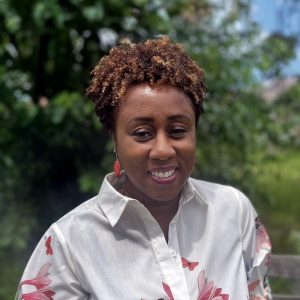 Tasha Tyrell-Williams, LCSW-R
2024 graduate of Adelphi's Advanced Certificate in Couples Therapy program
Tasha Tyrell-Williams, LCSW-R
2024 graduate of Adelphi's Advanced Certificate in Couples Therapy program
Program Info
This Couples Therapy Postgraduate Program covers the following clinical models and approaches:
- Gottman Therapy
- Real Life Therapy
- Systems Therapy
- Emotionally Focused Therapy (EFT)
- Relational Self Psychology
- Dialectical Behavior Therapy
- Relational Life Therapy
The Adelphi University Postgraduate Program in Couples Therapy (AUPCT) has two tracks:
- Two-year Postgraduate Certificate Program: An advanced certificate program designed for licensed and license-eligible clinicians seeking specialized, practice-based training in understanding and transforming couple relationship dynamics. This track has rolling admissions.
- Independent Continuing Education (CE) seminars: A series of seminars open to licensed and license-eligible clinicians who are interested in working with couples but do not want to pursue an advanced certificate.
Both tracks offer APA and NYS CE credits.
Exceptional Hands-on Learning
Our postgraduate certificate program includes direct clinical work with couples, with ongoing individual and group supervision. You’ll also benefit from access to personal therapy, case seminars (featuring clinical case illustrations and discussions of your own clinical work) and a mandatory thesis/capstone project.
Together, these learning components will elevate your clinical proficiency while encouraging you to engage in healthy, structured self-reflection.
Application Requirements
To apply for this program, you must have a graduate degree in a mental health field that qualifies you for independent clinical practice. Applicants should submit the following:
- Graduate application and $60 fee
- Two letters of recommendation from an academic or professional source
- Personal essay (500 words)
- All official college/university transcripts
- Résumé/CV
You will also interview with members of the Postgraduate Admissions Committee.
Understanding Costs
While this part-time program is not eligible for financial aid, we want you to have a clear picture of your investment so you can plan with confidence.
Awards & Recognition
Program Director
-
 Contact
-
Hy Weinberg Center 327