Our History
The College of Arts and Sciences didn’t start as a separate “college”—it evolved from Adelphi’s original liberal arts mission dating back to the late 1800s.
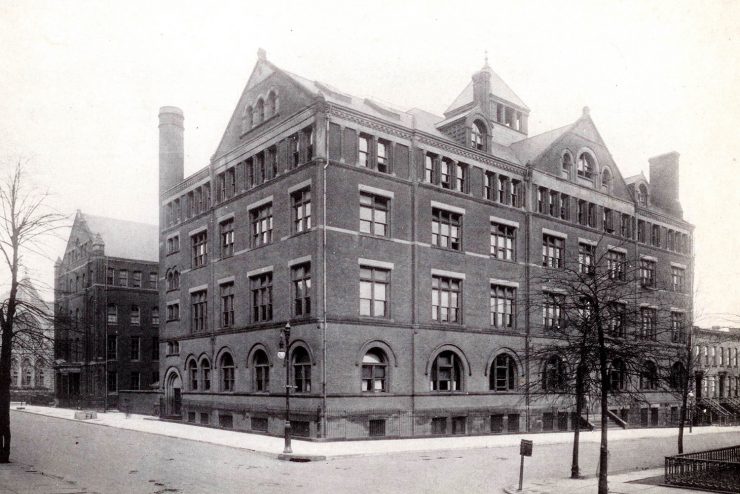
1863
Adelphi is founded in Brooklyn as the Adelphi Academy, a private preparatory school known for its forward-thinking curriculum.
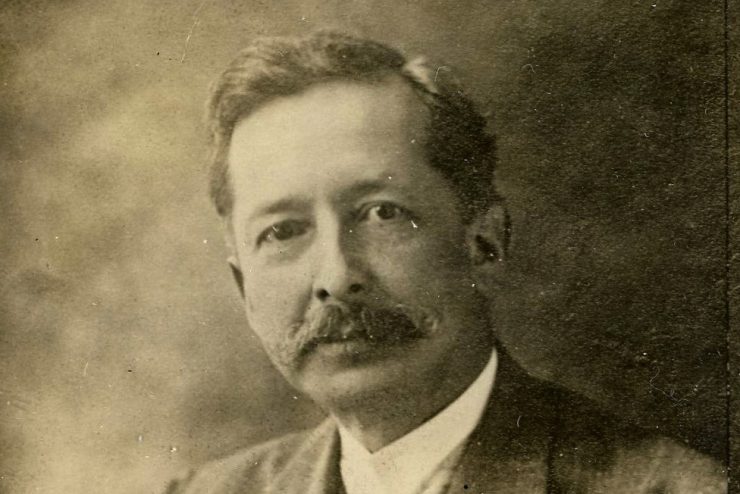
1893
Charles H. Levermore is appointed head of the Academy and begins shaping Adelphi’s future as a liberal arts institution.
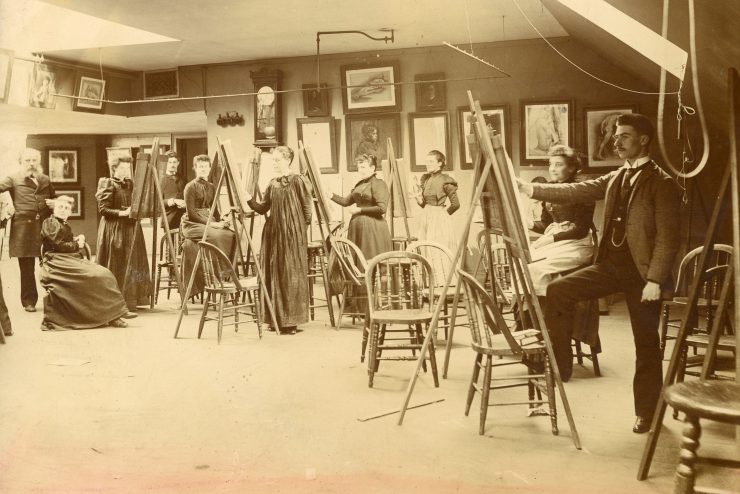
1896
Adelphi College is chartered on June 24, 1896 becoming one of the earliest coeducational liberal arts colleges in New York State. The College opens with 57 students and 16 instructors.
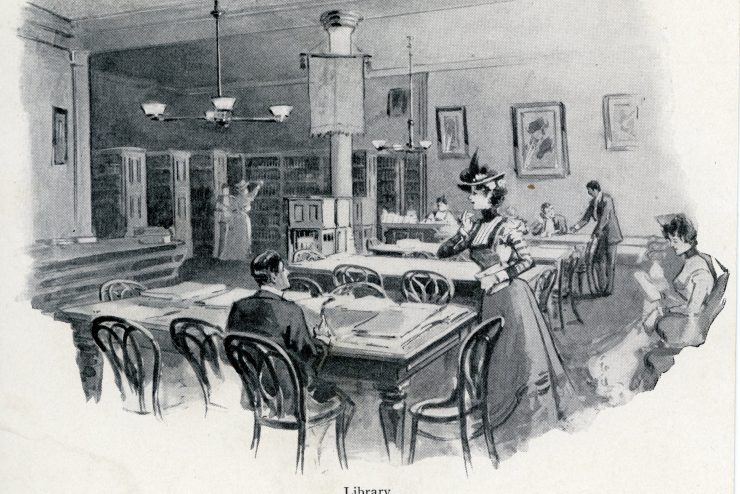
1912
Adelphi transitions to a women’s college, reflecting its early reputation as a leading institution for women’s education.
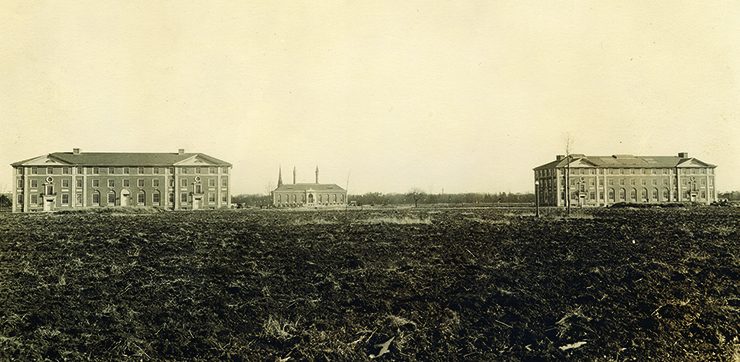
1929
Under President Frank D. Blodgett, Adelphi College relocates to Garden City, becoming the first private, four-year, coeducational institution of higher education on Long Island, NY and establishing its current campus.
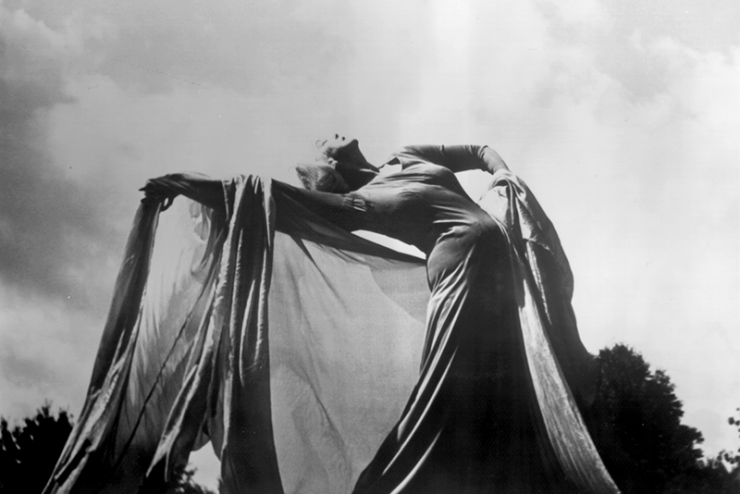
1938
Adelphi launches one of the first dance programs in the United States, led by pioneering modern dancer Ruth St. Denis—marking a major moment in arts education.
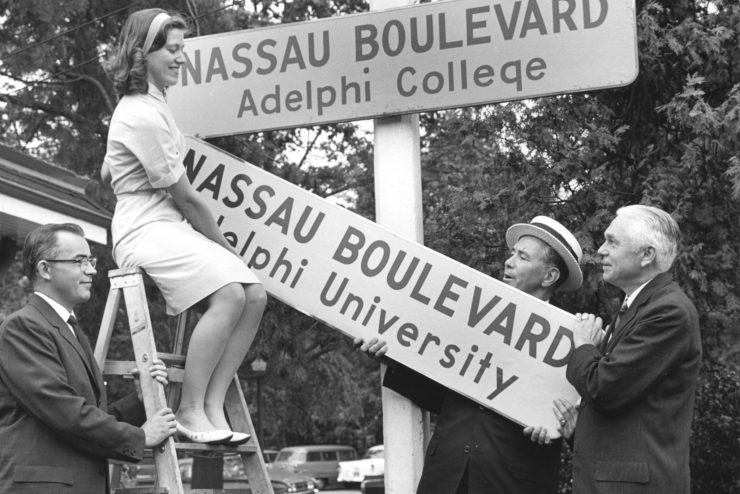
1963
The College of Arts and Sciences was formally established, when Adelphi transitioned to university status and its longstanding liberal arts division became the academic heart of the institution.
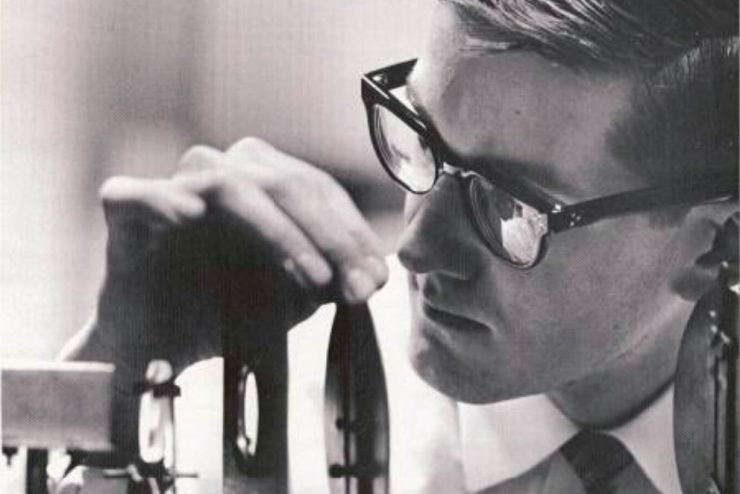
1965
The Graduate School of Arts and Sciences is established, expanding advanced study and research opportunities in the liberal arts and sciences.
Throughout the next few decades, Adelphi introduces interdisciplinary general education, honors programs, and expanded academic support—reinforcing its commitment to a broad, student-centered liberal arts experience.
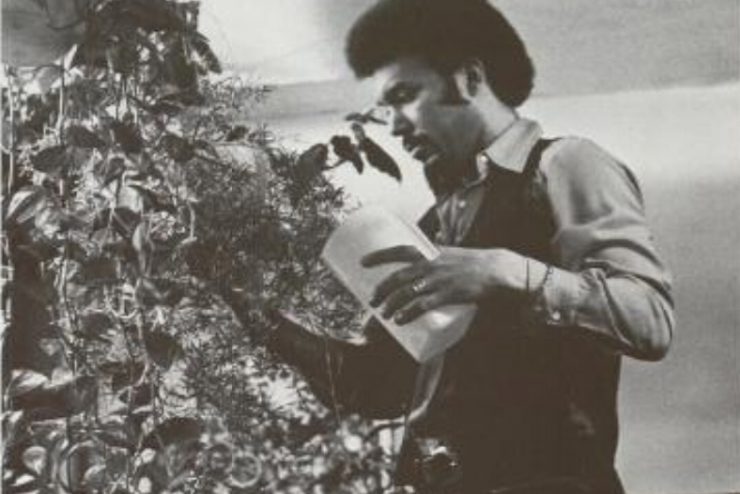
1970
Amid national protests led by Black students, Black and Puerto Rican students at Adelphi University advocated for a program dedicated to the study of their histories in America, leading to the creation of African, Black and Caribbean Studies within the College of Arts and Sciences.
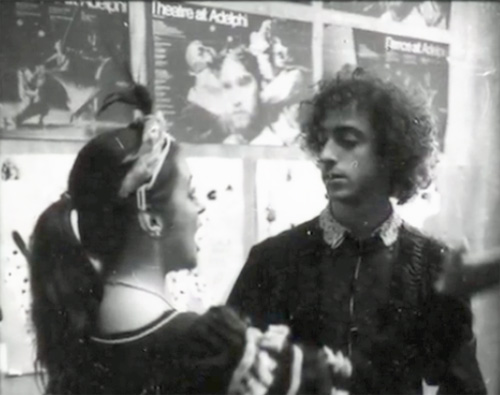
1980s
The College of Arts and Sciences experienced significant growth in its arts offerings, with students and alumni engaging in theater, music, and performance work that responded to urgent contemporary issues. Notable alum Jonathan Larson ’82 emerged from this era, later creating groundbreaking work in cabaret and musical theater that reflected the early AIDS crisis and urban life.
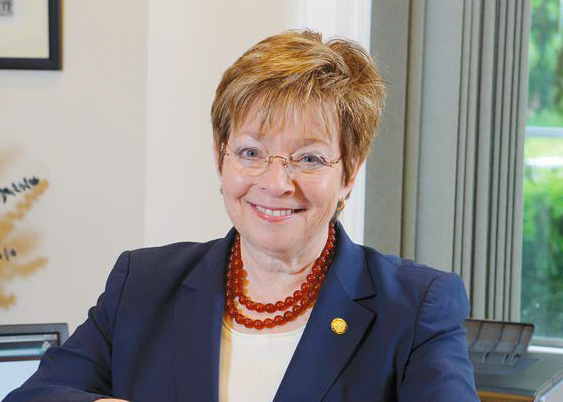
1997
Gayle D. Insler, PhD, is appointed Dean of the College of Arts and Sciences. During her eleven years as dean of the College, enrollment increased by more than 138 percent, and the full-time instructional faculty grew by 19 percent. She also oversaw the development and implementation of several new academic programs.
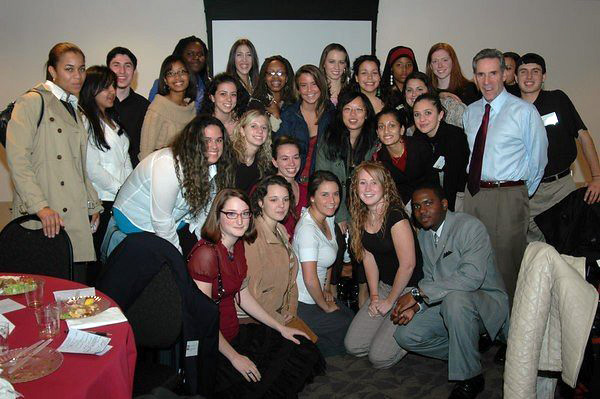
2006
The Levermore Global Scholars (LGS) program is founded, expanding Adelphi’s commitment to global learning through an interdisciplinary curriculum centered on international engagement and civic leadership.
2011
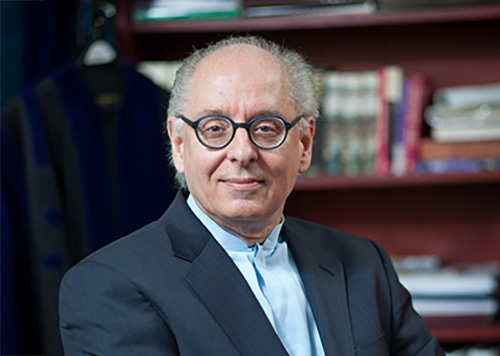
Sam L Grogg, PhD, is appointed Dean of the College of Arts and Sciences, bringing leadership experience in media, communication, and interdisciplinary education.

2019
Vincent Wei-cheng Wang, PhD, is appointed Dean of the College of Arts and Sciences. During his seven years as dean of the College, he guided the College through a period of significant transformation and growth, advancing new academic programs, expanding and mentoring faculty and strengthening the College through strategic planning, external partnerships and interdisciplinary innovation.
Today, the College of Arts and Sciences serves as the academic foundation of Adelphi University, anchoring study across the humanities, social sciences and natural sciences.
It continues to expand interdisciplinary programs and support the University’s core curriculum, shaping the undergraduate experience. Through this work, the College prepares students to think critically, engage across disciplines and apply their learning beyond the classroom.
For a broader view of institutional growth, see the full Adelphi University history timeline.