In the Wake of Disaster: Social Work, Equity & the Wellbeing of Helpers
Disasters are not experienced equally, and social workers play a critical role in supporting individuals, families, and communities before, during, and long after disaster strikes.
This workshop explores disaster social work through an ethical, trauma-informed, and equity-centered lens, with particular attention to historically marginalized populations.
Participants will examine how disasters intersect with systemic inequities, understand common human reactions across disaster phases, and clarify the unique roles and professional identity of social workers in disaster preparedness, response, and recovery. The workshop also prepares mental health professionals to recognize and respond to the psychological and behavioral health needs of themselves and their colleagues in the field, using Stress First Aid as a practical, evidence-informed framework for peer-based and clinician-delivered support.
Learning Objectives
Those who complete this webinar will be able to:
- Define disasters and explain how structural inequities shape disaster impact, particularly for historically marginalized populations.
- Identify common individual, family, and community reactions to disaster using a trauma-informed and strengths-based framework.
- Describe and apply the ethical roles, responsibilities, and tools of social workers across disaster phases and settings.
- Recognize behavioral and psychological indicators of cumulative traumatic stress in helpers, including resistance to mandated rest, and identify evidence-informed approaches to clinical and peer support.
- Apply the core principles of Stress First Aid when supporting first responders and colleagues experiencing acute or cumulative occupational stress during and after disaster deployment.
Tuition
- $45 – General Registration
- $36 – Alumni, Adjuncts, Field Instructors
- Free – Adelphi University Students
Faculty
Renee M. Rawcliffe, LMSW
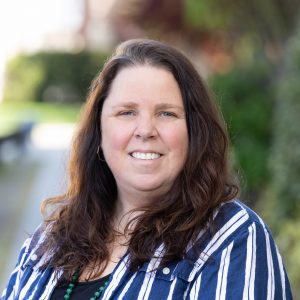 Renee M. Rawcliffe is a social worker with nearly 25 years of experience, beginning in child welfare before specializing in disaster preparedness, response and recovery in New York City. Over 17 years in the NGO disaster arena, she held diverse clinical and administrative leadership roles, eventually transitioning into higher education as a social work practicum liaison and adjunct instructor.
Renee provides national consultation and training on supervision, staff education, and the mitigation of burnout and compassion fatigue. She currently serves as the Director of Continuing Education and Professional Development for the School of Social Work, Co-Director of the nationally recognized Social Work Practice Fellows postgraduate certificate program, and Educational Coordinator for the Institute for Social Work and Ecological Justice (ISWEJ), and continues to teach for Simmons University and Adelphi University in their respective online MSW programs.
Renee is a PhD candidate whose dissertation research explores the lived experiences of social workers in disaster preparedness, response and recovery, highlighting the profession’s unique contributions to the field.
Credentialing Information
2 CEs
Adelphi University School of Social Work is an approved provider for continuing education credits for the following:
- NYSED Social Workers
- NYSED LMHC
- NYSED LMFT
- OASAS CASAC Renewal
- APA Psychology
- NYSED LCAT
- NYSED Psychology
To receive approved continuing education credits, participants must attend the entire training or workshop and submit a completed evaluation form.
See full credentialing information and CEUs
New York State Office of the Professions (NYSED) regulations require that participants must be present for the entire approved educational activity in order to receive a certificate for continuing education hours. There is no accommodation in the State regulations for late arrival, late return from lunch or breaks, or early departure. According to NYSED, in order to award social work CEs; “When you offer a multi-day or multi-part course/educational activity, the learner must complete all parts in order to earn the certificate for contact hours, in the same way that a student must complete a semester-long course to receive college credit. You may not award partial credit for a program, even a one-day program, if the learner does not complete all requirements at that time.