Postgraduate Certificate in Applied Expressive Arts in Counseling (AEAC)
The AEAC Certificate Program is a multimodal, expressive arts-based learning experience that introduces the application of expressive arts within the counseling process.
Now offered in a fully virtual format, this program makes the power of arts-informed clinical exploration accessible to a wider audience of practitioners while maintaining the integrity of cohort-based, experiential learning.
This certificate is open to social workers, psychologists, mental health counselors, marriage and family therapists, substance use professionals, professional counselors, and credentialed creative arts therapists who are interested in enhancing their clinical practice with expressive methods.
Participants will engage with six core expressive arts modalities—visual art, writing/poetry, music, drama, dance/movement, and psychodrama—and participate in integrative, topic-focused sessions that explore their application with specific populations and clinical themes.
This certificate does not lead to licensure or certification as a creative or expressive arts therapist. For more on credentialing pathways, visit the National Coalition of Creative Arts Therapies Associations (NCCATA) website and NYSED Creative Arts Therapy Licensing.
Educational Goals
This program introduces the expressive arts as an integrative therapeutic approach, combining psychology and creativity to promote healing, insight, and emotional expression. The training supports clinicians in developing an ethical and trauma-informed foundation for incorporating creative modalities into their work.
Educational Objectives
By the end of the program, participants will be able to:
- Summarize the history and theoretical foundations of each expressive arts modality
- Recognize scope of practice issues and relevant ethical considerations for non-credentialed use
- Identify certification and training pathways for each modality
- Apply trauma-informed, culturally responsive, and socially just approaches to creative work
- Use expressive methods to externalize emotions, support reflection, and process complex material
- Demonstrate sample exercises for engagement, closure, and group processing
- Begin adapting the expressive arts continuum to their own clinical population
- Share peer-facilitated activities and build community with like-minded practitioners
Program Outline and Structure
Fall 2026
- Format: 11 bi-weekly sessions at 4 hours each and 11 hours of asynchronous learning
- Delivery Mode: Live, synchronous virtual sessions via Zoom (camera-on is required for full participation) and asynchronous learning in between classes
- Learning Model: Experiential, cohort-based with interactive small groups
| Topic | Session Dates | Session Time | Instructor |
|---|---|---|---|
| Expressive Writing, Poetry and Metaphor in Counseling | October 9, 2026 | 9:30am – 1:30pm | Nancy Scherlong |
| Using Visual Art in the Counseling Process | October 23, 2026 | 9:30am – 1:30pm | Lillian Ankrah |
| Multimodal: Life Transitions and Aging | November 6, 2026 | 9:30am – 1:30pm | Daniel Summer |
| Using Sound and Music in Counseling | November 20, 2026 | 9:30am – 1:30pm | Shawna Vernisie |
| Incorporating Dance and Movement | December 3, 2026 | 9:30am – 1:30pm | Meredith Casimiro |
| Action Methods of Psychodrama | December 18, 2026 | 9:30am – 1:30pm | Scott Giacomucci |
| Using Drama Techniques in Counseling | January 8, 2027 | 9:30am – 1:30pm | Britton Will |
| Multimodal: Arts with Children and Adolescents | January 22, 2027 | 9:30am – 1:30pm | Craig Haen |
| Multimodal: Substance Use and Trauma-Informed Care | February 5, 2027 | 9:30am – 1:30pm | Francesca DeBiaso |
| Multimodal: Closure, Loss and Arts-Based Supervision | February 19, 2027 | 9:30am – 1:30pm | Rebecca Versaci |
| Panel Discussion: Wrap Up | March 5, 2027 | 9:30am – 1:30pm | TBD |
Virtual Learning and Methodology
This live online program is designed to preserve the intimacy and impact of experiential learning while offering increased accessibility and flexibility. Each session includes:
- Didactic presentation with visual slides
- Brief video examples and live demonstrations
- Small group breakout rooms for practice, art-making, and sharing
- Whole group debrief and integration discussions
- Pre-readings and creative reflection prompts
Tuition Rates
Fall 2026
An extended program with 11 extra hours of learning. Payment plans are available upon request.
- $1,775: General registration
- $1,475: Adelphi alumni, faculty practicum liaisons, adjunct faculty and staff
Faculty
Nancy Scherlong, LCSW-R, PTR, CJT, M-S
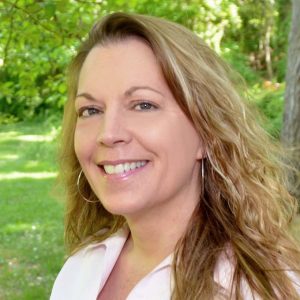
Nancy Scherlong is a Licensed Clinical Social Worker in the states of NY and CT. She is also a Registered Poetry/Biblio Therapist, Certified Journal Therapist and an approved trainer in both methods. She is the current President for the International Federation of Biblio-Poetry Therapy (IFBPT), one of the six expressive arts credentialing organizations. Nancy is a writer and an integrative psychotherapist specializing in stress management, trauma and addiction and has worked in the field of therapeutic writing for over 25 years. She provides workshops as well as distance coaching, consultation and training services. An Adelphi alum (1997) and adjunct faculty since 2008, she also provides online campus advising for Columbia University and is a member of core faculty of the Therapeutic Writing Institute and on the training staff of Kint Institute.
For more about her work please visit Change Your Narrative, LCSW PLLC.
Instructors
 Shawna Vernisie is a board-certified music therapist and licensed creative arts therapist specializing in neonatal and perinatal care at Cohen Children’s Medical Center in New York. With over 14 years of experience, she leads clinical services, supports bereavement and staff wellness initiatives, and mentors students and professionals. Shawna has served in leadership roles within both the American Music Therapy Association and Certification Board for Music Therapists, and contributes as a manuscript reviewer, published author, and national presenter. Her work has been recognized with multiple awards for professional excellence and exceptional patient experience. Shawna is dedicated to advancing the field of music therapy, collaborating with interdisciplinary professionals, and expanding access to perinatal mental health care.
 Craig Haen has a private practice working with children, adolescents, adults and families in White Plains, NY. He serves as graduate and doctoral faculty at New York University and Lesley University, teaching courses in both clinical practice and research. Dr. Haen is a Fellow of the American Group Psychotherapy Association, where he co-chairs the Community Outreach Task Force, a group that responds to trauma events in diverse communities and authors the organization’s public statements on human rights issues. He co-founded and serves as Program Director for the Kint Institute, which offers post-Masters clinical training in the arts and trauma treatment. His most recent book is Creative Arts-Based Group Therapy with Adolescents, with Nancy Boyd Webb.
 Meredith Casimiro is a board-certified dance/movement therapist and licensed creative arts therapist with extensive knowledge about the mind/body experience through somatic practices. Meredith is a lifelong mover and dancer who holds a Master of Science in dance/movement therapy from Pratt Institute, a BA in Dance from CUNY Hunter College, and is a certified Authentic Movement Practitioner from the New York Center for the Study of Authentic Movement. Meredith currently works in private practice at Marsh Psychotherapy and brings compassion, empathy and joy to her work.
 Britton Williams is an adjunct professor in the Program in Drama Therapy (NYU) and works in private practice. She is a doctoral candidate in the PhD Program in Social Welfare at the Graduate Center (CUNY) where she is a member of the inaugural Mellon Humanities Public Fellows cohort. She has presented nationally and internationally on methods and applications of Drama Therapy. She is thrilled to be joining the Applied Expressive Arts in Counseling post graduate certificate program as a faculty member.
 Rebecca Versaci is a Registered Drama Therapist and Licensed Creative Arts Therapist specializing in working with medically fragile children and their families. She is a child life specialist at Cohen Children’s Medical Center where she provides psychosocial services to children and families on multiple medical units. She also maintains a private practice facilitating drama therapy with children and families experiencing grief and bereavement. Rebecca has extensive experience lecturing and presenting at professional conferences and has published several articles on the use of drama therapy with chronically ill children and their families. What she enjoys most about her work is providing a space for her clients to share their stories.
 Francesca DeBiaso comes from a lineage of healers, hard workers, and creative types. She is a licensed, board certified Art Therapist committed to trauma informed care for collective healing with particular focus on the immigrant experience, LGBTQ mental health, anti-racist practices, and youth leadership. She holds her bachelors degree in Art History from Gettysburg College and her masters in Art Therapy from School of Visual Arts. She has facilitated workshops in residential centers, academic settings, lockup facilities, and community spaces which focus on building relationships through somatic awareness and creative expression. She currently works at MercyFirst in Syosset as a supervisor and lead Art Therapist for an unaccompanied minors program, contracted through the Office of Refugee Resettlement. She also serves as a member of the Racial Equity and Sanctuary Ambassadors committees and provides frequent in-services for colleagues focused on nervous system attunement. Francesca completed her Yoga Teacher Training in Summer 2015 at the Giving Tree Yoga Studio in Queens, New York and completed United We OM’s Trauma-Informed Yoga Workshop in Spring 2019. She currently teaches yoga through her personal venture, Inner Dwelling.
 Lillian is a nationally registered and board certified Art Therapist who utilizes art therapy techniques to assist children, adolescents and adults address their traumatic experiences. Lillian obtained her bachelor’s degree from the University of Virginia and a master’s degree in Art Therapy and Creativity Development from Pratt Institute.
In her twenty years of service, she has worked with a variety of groups of people including adult psychiatric patients, children battling cancer, adolescent mothers in foster care, families in crisis at a community counseling center and survivors of domestic violence. Lillian met people from all walks of life and she is grateful to the clients who have allowed her to walk with them on their healing journeys. These experiences were invaluable and she has learned as much from her clients as they might have gained from working with her. Lillian was a member of the inaugural YWCA Women of Color/Native Women Leadership cohort and currently volunteers with the YWCA National Capital Area in Washington, DC. Lillian has trained many practitioners and students on how domestic violence affects children and has consulted with businesses on building and encouraging self-care practices for staff who might experience vicarious trauma due to the nature of their work.
Lillian currently runs her own psychotherapy private practice online, Creative Counseling Concepts, helping clients heal from unhealthy relationships and traumatic experiences. Her approach to therapy is client-centered, trauma-informed, culturally sensitive and rooted in social justice, advocacy, and empowerment for the people she works with. Lillian is skilled in engaging those new to therapy in the therapeutic process through providing a safe, holding space for them to be vulnerable, address their challenges and grow. She is highly skilled in addressing and treating trauma with art therapy, guided imagery/meditation, and is fully trained in Eye Movement Desensitization and Reprocessing (EMDR) therapy and Brainspotting. Lillian is also trained in Reiki and Jiivana (L.I.F.E.) Meditation. She is currently training in the Trauma Conscious Yoga Method and Transcending Sexual Trauma through Yoga Method. Lillian is a Licensed Creative Arts Therapist (LCAT) and is currently residing in the Washington, DC Metropolitan area.
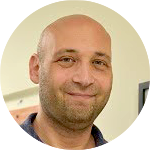 Daniel Summer is an Assistant Professor of Art Therapy at Caldwell University. He holds a Ph.D in Expressive therapies from Lesley University where his doctoral research explored mental illness stigma and resilience among adolescents. His doctoral research has been published in the Drama therapy Review, and written two chapters on mural making with inner-city youth, and developmental transformations a unique method of drama therapy. Most recently, Dan has presented at the Expressive Therapies Summit exploring Monster metaphors through an art-based intervention, and Eco-art therapy focusing on interconnectedness. Dr. Summer is a proud alumna of Adelphi University (1995) where he first gained an interest in art therapy and is excited to participate as faculty for the Postgraduate Expressive Arts Therapy Program.
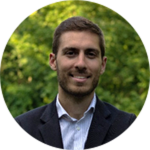 Scott is the Director/Founder of the Phoenix Center for Experiential Trauma Therapy in Media, PA; Director of Trauma Services at Mirmont Treatment Center; and Adjunct Professor & Research Associate at Bryn Mawr College’s Graduate School of Social Work teaching a course on trauma-focused psychodrama. In 2021, he published an open-access textbook “Social Work, Sociometry, & Psychodrama” (Springer Nature) which is the first to comprehensively outline the connections between social work and psychodrama (over 75,000 downloads online).
He is a Board-Certified Diplomate and Doctor of Clinical Social Work; Board-Certified in Sociometry, Psychodrama, & Group Psychotherapy; Certified EMDR Practitioner/Consultant; Certified Experiential Therapist/Supervisor/Trainer; as well as a Fellow of the American Academy of Experts in Traumatic Stress. Scott serves on the Executive Council of the American Society of Group Psychotherapy & Psychodrama (ASGPP), the Advisory Board of the International Society of Experiential Professionals, and the Trauma & Disaster Task Force of the International Association of Group Psychotherapy. He is currently co-chair of ASGPP’s Research Committee and Professional Liaison Committee, as well as a founding member of the Sociatry and Social Justice Committee.
Scott regularly presents at local/global events and has received awards/recognition from NASW, IASWG, ASGPP, ACA’s Specialists in Group Work, and Neumann University. He has published multiple peer-reviewed articles, a quantitative research study on trauma-focused psychodrama, and co-edited the autobiography of psychodrama’s founder, Jacob Moreno. Scott also serves as Co-Editor of the first international psychodrama book series titled, Psychodrama in Counselling, Coaching, and Education (Springer Nature); Co-Chief-Editor of the Journal of Psychodrama, Sociometry, & Group Psychotherapy; Section Editor of the Brazilian Psychodrama Journal; and Consulting Editor of the Social Work with Groups Journal.
Credentialling Information
Adelphi University School of Social Work is an approved provider for continuing education credits for the following:
- NYSED Social Workers
- NYSED LMHC
- NYSED LMFT
- NYSED LCAT
- CASAC Renewal
- NYSED Psychology
Successful completion for the award of approved continuing education credits requires attendance at the entire training/workshop and submission of a completed evaluation form.
Fall 2026
Total CE Hours: 55 CE credits
- 11 virtual live sessions: 4 hours each
- 11 asynchronous sessions: 11 hours count towards self-study
See full credentialing information and CEUs
Cancellation Policy
Unfortunately, we cannot provide refunds for cancellations made seven working days or fewer before the event for any reason, or for no-shows. We can provide credit towards a future workshop up to 24 hours before the event. After that, no credit will be issued.